Our approach
A different way to learn.
A voice for every young person.
We are developing The Portal for children and young people aged 4 to 18 in Norfolk. It will be a Registered Independent School. Our approach is child-and-young-person-centred, self-directed and fully democratic, with first-hand experiences at the heart of learning.

What is The Portal?
Not a box to fit into.
Space to grow.
The Portal is not a conventional school. There is no taught curriculum, no standardised assessment tests, no structured timetable and no bells marking the end of lessons.
Think of it as a blank page rather than a box with fixed sides: a space for the interests, ideas and possibilities that each young person brings. Empathetic adults from both within The Portal staff team and the wider community will provide the support they need to explore those possibilities.
Young people lead
Children and young people help shape their own learning, following the experiences and interests that matter to them.
Every member has a voice
The Portal is being developed as a Community Benefit Society owned and run by its members.
The aim is for children and young people to have an equal and active say as the adults in its development and operation. They will be fully represented on the Council, which is the Governing Body of The Portal.
Experience comes first
Learning grows through first-hand experiences, relationships, community and real-life settings.
Shaped by each young person
A living and learning plan of their own
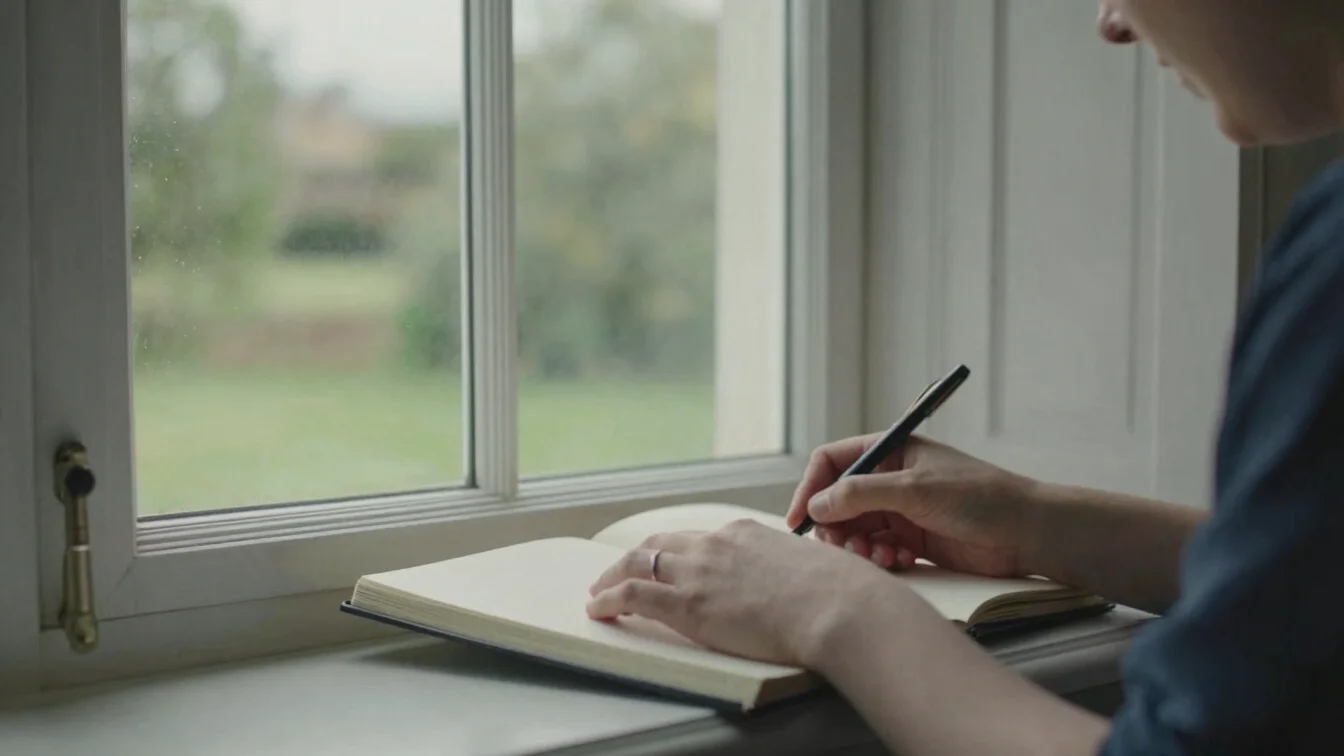
Every child and young person co-produces an Individual Living and Learning Plan. It identifies both the needs that require attention and the experiences and environments they wish to explore.
That plan provides the foundations for their desired living and learning outcomes, with support from an empathetic adult suited to both the young person and the setting.
All children and young people will be given the essential basic skills in literacy, numeracy and information technology to at least the level appropriate to their age, aptitude and ability.
First-hand experiences
Learning beyond four walls
The Portal plans to bring together different places and opportunities to learn, in Norwich and beyond.
01 / In the city
One or more bricks-and-mortar sites in Norwich, providing a base for living and learning.
02 / In nature
A woodland and wildlife site on the outskirts of Norwich, with opportunities to learn through the natural world.
03 / On a smallholding
A smallholding as another setting for first-hand experiences, alongside a wide variety of other real-life learning opportunities.
Relationships and real-world connection
A community around each young person
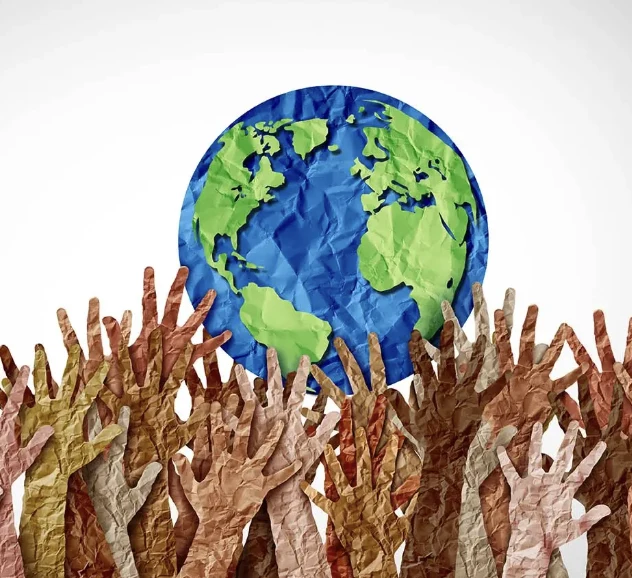
Parents and carers will be encouraged to take a full and active part. A skilled, dedicated staff team, volunteers in a wide variety of roles, and partnerships with local businesses, community groups and individuals will help create a rich range of experiences.
The aim is for every young person to leave The Portal confident, articulate and well equipped for the next stage of life, ready to fulfil their potential in the adult world.
Community-owned, democratically run
A structure that reflects our values.
A Community Benefit Society exists to benefit its community rather than generate profit for private owners. It is owned by its members, with one member, one vote, regardless of their financial contribution. Any surplus is used to further the society’s purpose.
This is the model we will use for The Portal. It reflects our belief that young people should experience democracy, sharing responsibility and helping shape the community alongside facilitators, families and other members.
Our foundations
Curiosity. Relationships. Strengths.
Two approaches help explain how The Portal will support curiosity, relationships and the strengths of each young person.
Reggio Emilia
Curiosity leads the way.
Developed in Italy after the Second World War by educator Loris Malaguzzi and local parents, the Reggio Emilia approach sees children as capable, curious and active drivers of their own learning.
Rather than following a rigid textbook plan, learning emerges from children’s questions and interests. Community, collaboration and critical thinking are central.
Its idea of the “hundred languages of children” recognises the many ways young people express themselves, including art, movement, drama and building. Adults act as co-learners rather than lecturers, while the learning environment becomes a “third teacher”, encouraging wonder, creativity and exploration.
The Nurtured Heart Approach
Recognise strengths. Build inner wealth.
The Portal will embed the Nurtured Heart Approach, developed by Howard Glasser. It focuses on recognising and reinforcing strengths rather than putting energy into weaknesses.
The approach offers ways to strengthen relationships, reflect on the energy of interactions, recognise personal qualities and provide clear rules and consequences. By noticing individual skills and qualities, it aims to build “inner wealth” and help turn challenging situations towards success.
The three stands
Absolute NO
Do not put energy into mistakes, wrongdoing or negative behaviour. Help young people, parents, carers and support workers learn to reset, regaining calm and control.
Absolute YES
Create opportunities for success. Notice and describe positive qualities, achievements and behaviour, making those moments count.
Clear rules and consequences
Agree clear rules and known consequences that are fair, restorative, short and meaningful.
Looking ahead
A different starting point.
A fuller life ahead.
Our purpose is to help children and young people grow into rounded, confident adults, with the support, experiences and opportunities to fulfil their potential.
Our aim is to make The Portal accessible regardless of a family’s ability to pay, through a mix of contributions, fundraising and subsidised places. Explore our proposed funding model.